Meet Maureen
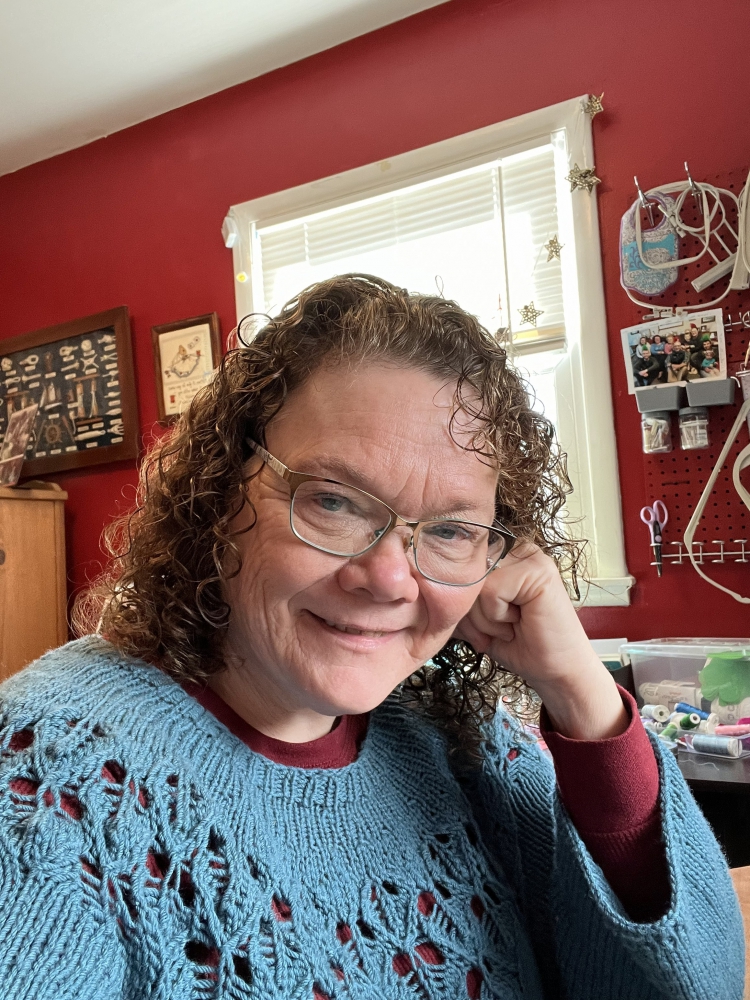 Maureen Lewicki is a writer, educator, and storyteller whose work is shaped by a lifetime of teaching, faith, and quiet discovery. For more than two decades, Maureen Lewicki taught students who are blind and visually impaired, developing curriculum, implementing individualized education plans, and working closely with children and families to help each student thrive.
Maureen holds an undergraduate degree in Psychology, Education of the Visually Impaired, and general education for nursery-grade 6 from Dominican College. She earned her masters degree at Teachers College at Columbia University, with additional postgraduate work at the University at Albany and Russell Sage College. In addition to her classroom work, Maureen Lewicki homeschooled her own children and helped lead a program for homeschooled high school students.
Maureen Lewicki has been married to her husband since 1981 and is the mother of two adult children, whom she loved homeschooling. She is also a grandmother to many “grand prizes,” who call her Gramma.
Today, Maureen Lewicki writes for both children and adults, including stories, devotionals, and reflective pieces shaped by faith, creativity, and the meaningful moments of everyday life. Her work often explores the idea that what seems lost, whether joy, clarity, or purpose, can be found again.
About Me
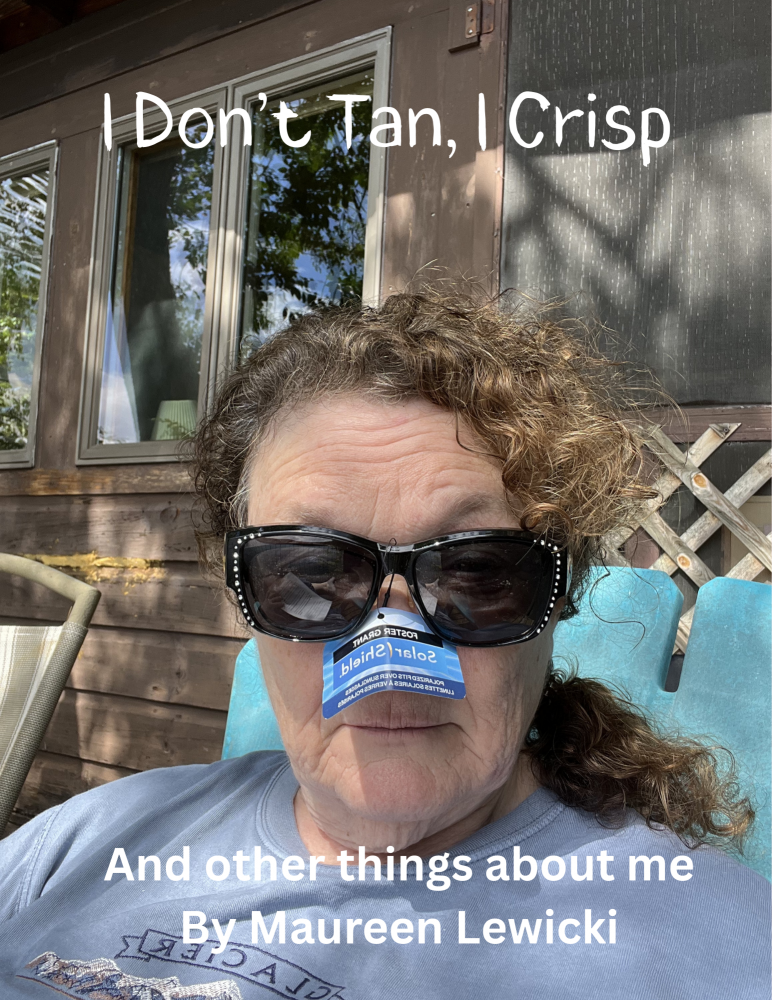 I am a child of God, wife of a top-notch husband since 1981, and Mom of two great adults whom I loved homeschooling. Thanks to them and their wonderful spouses, I have many grand “prizes” who call me Gramma. I also readily answer to Grammy Wiki.
I taught the blind and visually impaired for 23 years. I loved the field, the children, and my colleagues.
Teaching is hard. Stressful. Many people told me I was lucky to only work 10 months of the year. Yes, 10 months with the children, a month before getting my materials unpacked and organized, and a month after school ends getting materials packed up again and beginning to plan for the next year.
Yes, only 10 months with the children, countless hours of planning, developing curriculum, writing individualized education plans, meeting with parents and colleagues, learning new accommodative technology to teach to the children, leaving the school building at 7 pm and returning at 7 am, attending conferences with my own money on my own time, and buying much of my own materials to use with the children.
Yes, I loved it.
Yes, it was stressful. Not because of the children, but because of everything else.
Yes, I read and write braille, and no, I read it with my eyes.
When I am not writing, I knit and sew and make a complete mess of the craft room.
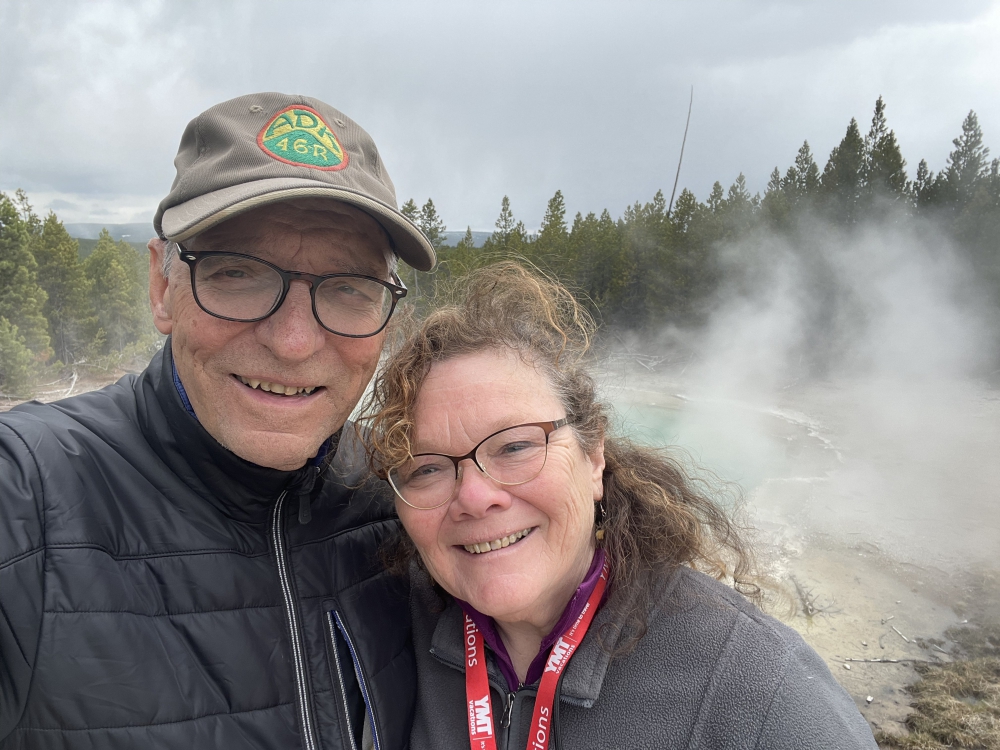
We are fortunate to live within driving distance of the Adirondack Mountains, so we hike and snowshoe.
We have no pets, but I do have an overactive imagination, which requires frequent feedings.
Why I Write
When I see a sculpture, I am always drawn to look at it from every angle: walking around it slowly, looking at it from different angles helps me to understand it, see its details, and feel the emotions the sculptor wanted to portray.
 This is how I feel when I write. An idea comes to mind. It might seem distant and indistinct, but the more I reflect on it, the more it takes shape and its details become clear. Turning it in my mind, thinking about it from different angles, asking and wondering about it, I can better understand what the idea is about.
Putting this idea into words seems to be a natural consequence, the way a person might sketch out a picture they see or a sculptor might take a lump of clay and pull and push and form it into what the sculptor imagines it should be.
I need to write. I want to learn to write more effectively for myself, but hopefully in doing so others might also read what I have sculpted, understand it, and recognize the emotion I have put into it.
My writing is an outlet. Not, hopefully, just to let a thought out or for someone else to read, but rather more like an outlet which serves a body of water. The Dead Sea has no outlet and is slowly shrinking. Without an outlet, a body of water dies.
If I do not write, I will not improve my skills. I may not understand the thoughts I have, and I may not be able to effectively communicate the emotions that come with those thoughts.
Publications & Contributions
Maureen Lewicki’s writing has been featured in The Upper Room, Christian Devotions (“A Sweet Aroma”), and Making Stories Magazine (“Knit Together”), article available from the author upon request. She also regularly contributes to Power Tools with Thread on creativity, and making. Her work has also been featured on Paths to Literacy, addressing the importance of daily consultation time and effective support for students who are visually impaired.
